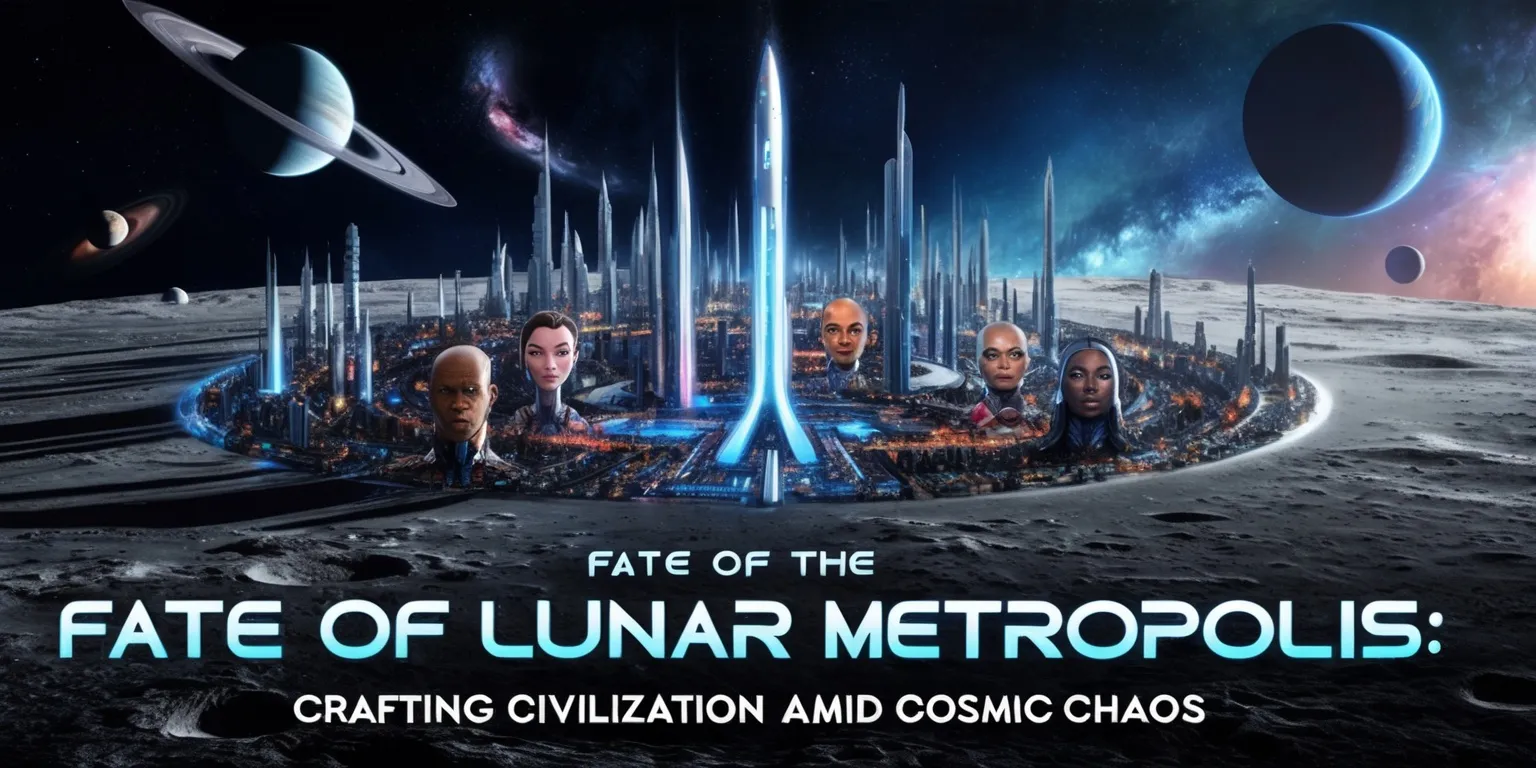
In a universe where chance and creativity intertwine, the experience of building a futuristic city on a haunted lunar landscape becomes an intricate dance of strategy and fate. The game establishes itself as a digital board game where every decision is punctuated by the roll of dice, and every turn teeters on the balance between construction and destruction. As players navigate ancient underworlds and remnants of lost civilizations, they find themselves in a surreal blend of dystopian aesthetics and philosophical puzzles. The subtle interplay between technology, nature, and fate forces an ongoing introspection, driving a unique narrative where every roll reshapes the destiny of the city.
Emergence of a Dice-Powered Metropolis
At its core, this experience is defined by its… ingenious blend of isometric citybuilding and board game mechanics, where a set of dice dictate the rhythm of development. Each turn provides a distinct opportunity to shape the landscape while contending with unforeseen environmental challenges. The game treats the dice not just as devices that produce random numbers but as arbiters of fate that compel players to weigh their actions carefully before proceeding. Every selected gesture, be it constructing vital buildings or expanding resource networks, is constantly at risk of being undone by the capricious nature of chance. The tension between careful planning and the whims of the dice creates a vibrant tension that transforms each session into a delicate negotiation with destiny.
Haunted Legacies and Lunar Mystique
Framed by the echoes of an age long consigned to history, … mausoleum and cloaked in haunting narratives, the game crafts an atmosphere of eerie familiarity intertwined with science fiction. The city emerges from the remnants of an ancient civilization that once revered celestial bodies and intricate burial rites. The architecture, steeped in Old World Venetian influences, hints at historical grandeur repurposed in a modern, dystopian setting. The lunar surface, marked by unpredictable weather phenomena, morphs into both a nurturing and adversarial force. Atmosphere resonates with mythic symbolism as players battle not only against climatic adversaries but also against the echoes of forgotten societies, anchoring the entire experience in a deep and reflective sense of mystery and legacy.
Architectural Fusion and Aesthetic Visions
The visual and structural design plays a pivotal role in establishing the game’s unique identity. Drawing heavily on Mediterranean inflections and visionary futuristic motifs, the cityscape reflects a fusion of old and new, where historical remnants meet avant-garde innovations. The design ethos is rich with layers of cultural homage, from the subtle nods to influential sci-fi literature to architectural cues that recall both classical and experimental urban planning. Each structure is imbued with a distinct personality—evoking memories of otherworldly tales and ancient edifices—while Enhancing the city's overall operational efficiency. This blending of narrative depth with visually compelling art transforms the game into a living tapestry where each building unfolds its own narrative brimming with hope, loss, and the relentless pursuit of progress.
Balancing Growth with Strategic Resource Management
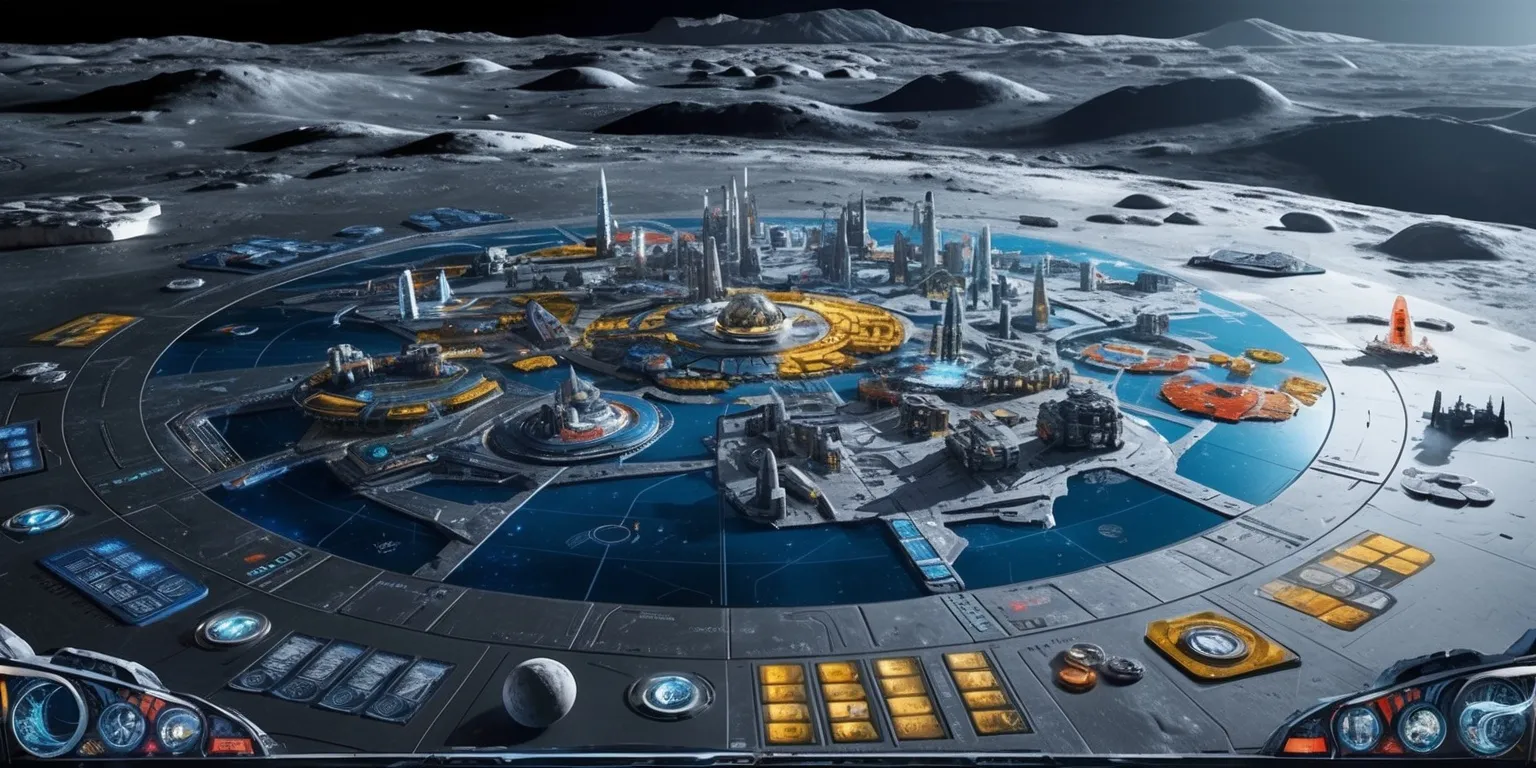
At its most fundamental level, the game serves as an investigation in growth and resource management. Players begin with a modest settlement, a fragile seed sprouted near the yawning entrance of an ancient underground relic. The central challenge is to nurture this fledgling township into a thriving metropolis, balancing the need for expansion with the omnipresent threats posed by the lunar environment. Resources, ranging from practical materials like metal and brick to more enigmatic elements such as void and horizon, must be meticulously harvested and managed. This intricate system forces the player to prioritize construction projects, balance competing demands, and embrace the notion that progress is often as uncertain as the next roll of the dice. Every decision contributes to a delicate equilibrium between ambition and vulnerability.
Dynamic Weather Systems and Elemental Challenges
The game introduces an innovative weather system that transforms natural elements into dynamic adversaries and catalysts of change. Each cycle, defined by a sequence comprising three consecutive player rolls, followed by a weather phase roll, underscores the importance of time and unpredictability. The weather is characterized by its capacity to accumulate and drive persistent challenges, whether it be the encroaching fog that obscures visibility or the creeping influence of water and other elements that seek to destabilize carefully constructed neighborhoods. Beyond mere atmospheric effects, these environmental dynamics force the player to adopt a flexible strategy, where preparation and rapid adaptation are crucial. This interplay between systematic planning and reactive decision-making encapsulates a broader theme: the eternal struggle against forces that both nurture and threaten civilization.
Cultivating Resilience in an Ecologically Hostile World
The persistent presence of rust, fog, water, and grass adds an ecological dimension that is as challenging as it is thematically rich. These natural forces embody an ecological warfare that transforms every expansion decision into a calculated risk. Rust, for example, is more than a mere visual effect—it represents an omnipresent threat that can undermine the structural integrity of key buildings, causing widespread instability. Equally, fog presents its own set of complications, stifling visibility and altering gameplay mechanics, while grass, when unchecked, compounds these difficulties by imposing additional burdens on weather dynamics. Each element interacts with the gameplay in a manner that requires thoughtful planning. In this world, progress is a constantly negotiated balance between embracing growth and mitigating the influence of nature’s relentless and unpredictable forces.
Intricate Event Mechanisms and Factional Dynamics
The introduction of event mechanics injects the gameplay with a narrative richness that extends beyond the routine of resource management and expansion. Triggered by the expenditure of event-specific dice, these occurrences vary from modest domestic hurdles to moon-spanning predicaments. The arrival of distinct factions, each with their own traditions and ambitions, adds another layer of complexity. Relationships with these factions are dictated by the outcomes of dice rolls, influencing gameplay through diverse buffs and debuffs that can either aid progress or hinder development. These interactions simulate political and social tensions, forcing players to navigate an environment where local alliances must be managed amidst unpredictable crises. The delicate dance between strategic foresight and random chance deepens the communal aspect inherent in the city’s evolution.
Interplay Between Structure and Spontaneity
A particularly distinct dimension of the gameplay is the tension between predetermined structure and spontaneous disruption. As players lay down plans to develop a cohesive urban network, they are continuously challenged by the random yet persistent interventions of the dice. This careful equilibrium guarantees that each session remains unique unfold exactly the same narrative, reinforcing the idea of a living, breathing city that evolves under both careful planning and the whims of fate. The unpredictability of a roll can result in a sudden cascade of instability, compelling rapid adaptation and creative rethinking of expansion strategies. The experience embodies a constant negotiation between the urge to impose order and the necessity to accommodate the chaotic intricacies of an environment that remains ever capricious and dynamic.
Interactive Narratives and Societal Reflections
The game goes beyond a mere simulation of urban development by embedding interactive narratives that encourage deeper reflections on societal structures and human resilience. The evolving relationship between the city's growth and the encroaching elements draws parallels to real-world challenges of urban planning in the face of environmental uncertainties. As players witness fleeting moments where a single roll of dice can redefine their standing with important factions, they are invited to ponder themes of community, legacy, and environmental stewardship. Each facet of the game—from the aesthetic design of ancient relics to the surreal narrative arcs involving spacefaring gardeners—contributes to a profound meditation on the cyclic nature of civilization. This immersive experience thereby serves as a metaphor for the delicate balance between ambition and the immutable forces of nature.
Developer Insights and Creative Urban Planning
The game arrives "not solely for its entertainment value but also as a" thoughtful exploration of urban design philosophies. The developer’s approach is imbued with influences from both high art and grassroots urban experiments, echoing ideas reminiscent of visionary projects in real-world architecture. The accompanying dev diaries provide players with nuanced insights into the theoretical underpinnings of each design choice, revealing an intricate dialogue between imagination and practical urban challenges. This meta-narrative invites players to reassess their cultural assumptions about space, sustainability, and community building. Embracing a perspective where art and utility converge, the game challenges conventional expectations and underscores a commitment to blending soulful storytelling with interactive mechanics. Every time the dice tumble, they serve as a constant reminder of the perennial conflict between human ingenuity and the inherent unpredictability of life.
Personal Journeys Amidst Chaotic Progress
The city remains an ever-evolving tapestry, where each session unfolds as a personal journey with its own set of trials and triumphs. Players are compelled to confront the paradox of progress, where moments of joy are inseparably entwined with setbacks dictated by fate. The game’s design fosters a reflective mood as players learn to embrace imperfection and unexpected developments. The cyclical nature of urban decay and rebirth becomes a mirror for introspection, transforming every decision into an exploration of personal resilience. As cascading weather patterns and environmental challenges dictate the pace of growth, so too does the spirit of persistence govern the player’s engagement. Each session stands as a testament to the unyielding desire to carve meaning out of chaos, a narrative that continuously evolves with every unpredictable dice roll.