
An Excursion Through Gaming Wonderlands: Preamble
Video games, with their captivating worlds and immersive storylines, have entranced millions across the globe. However, these digital art forms are not monolithic but a vibrant spectrum of genres reflecting myriads of interests and skills. Each genre is unique in its set of experiences and challenges, forging emotional connections with players that last well beyond their gameplay hours. This article provides a sequential journey through some of the principal game genres dating from their initiation to present status while shedding light upon their inherent distinctiveness and appeal.
The Dawn of Adventure: Role-Playing Games (RPG)
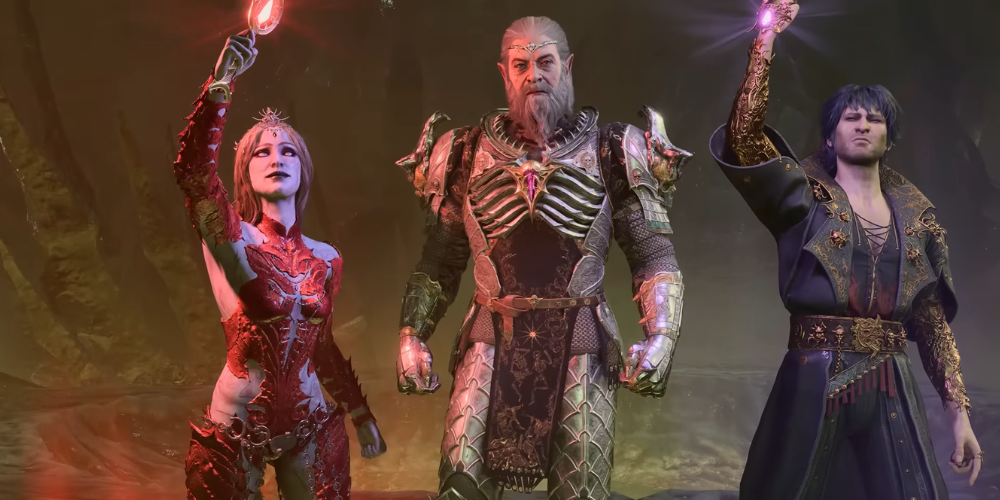
The first genre on our list is role-playing games or RPGs. Rooted in traditional tabletop games like Dungeons & Dragons, RPGs transitioned into the digital medium with "Dungeon" in 1975. This genre is characterized by character progression, story-driven content, and complex strategy and often puts you in a fantasy world setting. Moreover, in some cases, players can influence the storyline based on their decisions, making each gameplay unique.
Speed and Tactics: Racing Games
Racing video game roots go back to the 70s with Atari's Space Race and Gran Trak 10, placing players behind the wheel for endless fun of speed. They consist of competitive racing against opponents or time trials. Racing games usually provide various vehicles, tracks, and weather conditions that challenge players' adaptability.
The epitome of Strategy: Real-Time Strategy (RTS)
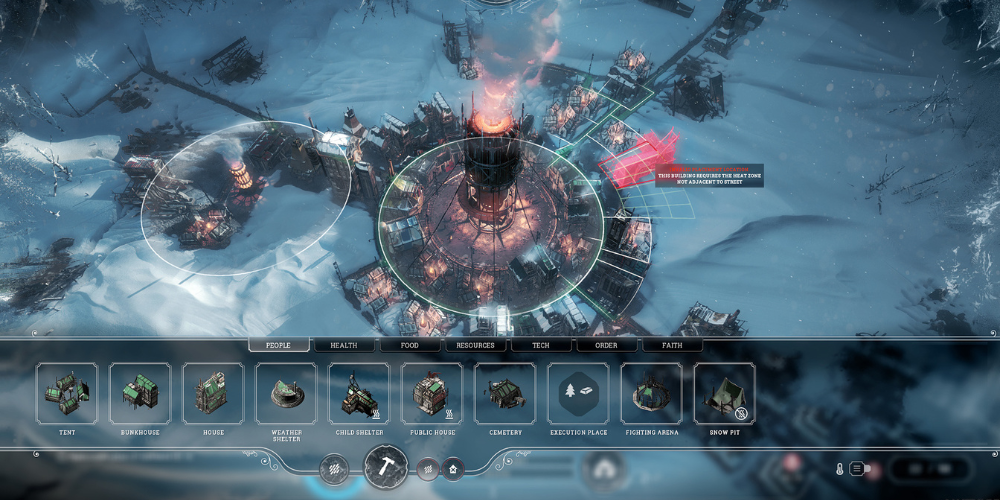
The real-time strategy game genre was pioneered by Dune II in 1992 when players controlled units and structures to secure areas within the game map and destroy their opponents' assets. These time-paced games often require critical strategic planning and resource management skills.
Immersive Experiences: Virtual Reality Games
Virtual Reality (VR) gaming pushes the limits of immersion in the gaming experience beyond what was possible with just a console. Technological advances led to highly realistic virtual experiences like never before, with "Dactyl Nightmare" being one of the earliest examples in 1991.
All Time Favorite: Arcade Games
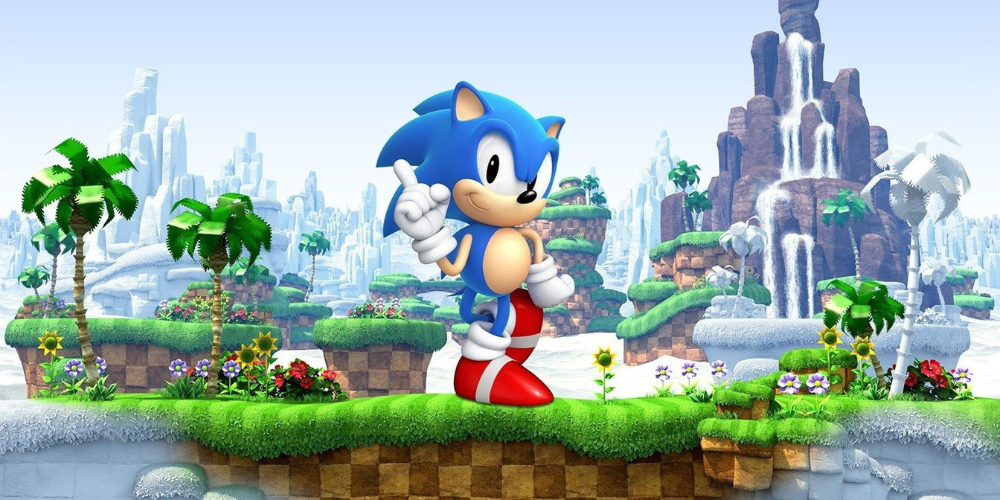
Arcade Games represent arguably one of the most enduring genres since Pong surfaced during the early '70s. It was defined by simple gameplay mechanics and short but escalating levels of difficulty. Games like Pac-Man became iconic symbols of pop culture thanks to this genre.
Test of Skill: Puzzle Games
The puzzle genre originated in "Dr. Brain" in 1982 when the player was tasked with solving complex puzzles. With games that test one's problem-solving abilities, the genre broadened human cognitive horizons while offering fun-filled recreation time.
Rythm and Harmony: Music Games
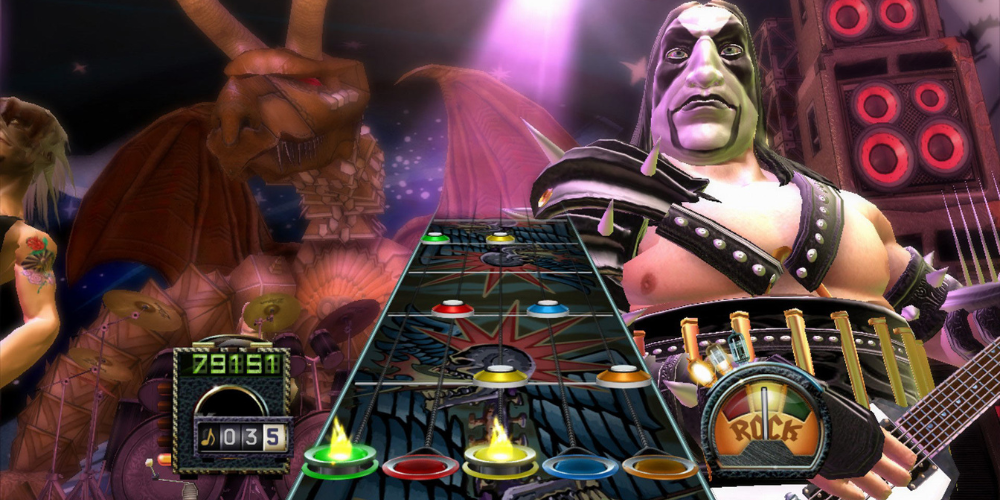
Music games came into being in the 70s, starting with Simon. These made music an integral part of gameplay, requiring the player to have timing and rhythm skills. Over the years, innovative inputs like dance pads and real instruments added layers to this beloved genre.
In Summation: Unveiling The Layers Of Gaming Genres
In conclusion, each gaming genre signifies a unique set of charms catering to various tastes, preferences, and abilities of players worldwide. From strategy-filled adventures in RPGs, the thrilling pace of Racing games, demanding tactical bets in RTS, immersive experiences in VR, agility testing Arcades, and problem-solving in Puzzles to rhythmic prowess testing Music games, each genre is a world within itself, adding myriad hues to the spectrum that makes up the universe of gaming today.