







Overview and Background
As a seasoned tech reviewer, I have seen countless digital music services rise and fall, yet Spotify has managed to consistently reinvent itself while retaining the core passion for transforming how users experience music. From its humble beginnings as an innovative tool for streaming tunes, Spotify has evolved into a comprehensive audio platform that offers a spectrum of functionalities. Whether you choose to download tracks for offline listening or simply play your favorite playlists online, the app’s evolution has been remarkable. With millions of active users worldwide, its reputation as a dependable service remains undisputed.
Design, Usability and User Experience
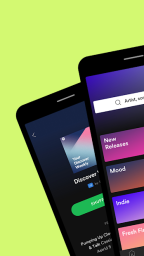
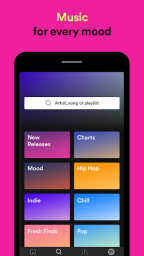
One of Spotify’s striking advantages is its championing of a smooth and visually appealing user interface, which is integral to its charm as an audio service. The layout is clean, intuitive, and offers fast access to a myriad of playlists, recommendations, and curated collections. As you navigate the app, the consistent attention to detail makes it reliable and easy to use even for those new to the world of streaming. Every element has a purpose—whether you are in search of discovering new tracks or looking to download rare gems for offline listening. Spotify manages to strike a balance between intricate features and overall simplicity, appealing to both casual users and enthusiasts.
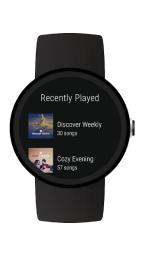
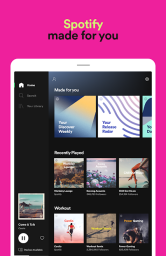
The design emphasizes accessibility across all supported platforms, be it on desktop computers, mobile devices, or even smart speakers. The responsive design ensures that the experience remains consistent when you transition from one device to another. The journey to explore music becomes a personal voyage of discovery, thanks to its organized structure and creative layout. The responsive design adapts perfectly to both portrait and landscape orientations, ensuring users always have a delightful music discovery experience.
Content and Library Size
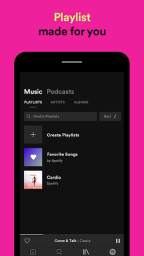
Arguably the most compelling aspect of Spotify is its colossal music library that spans virtually every genre imaginable. Whether you want to install the app to enjoy the latest chart-toppers or search for vintage classics, Spotify’s extensive selection leaves little to be desired. Not only does the app offer millions of tracks, but it also allows users to create personalized playlists and explore podcasts, live shows, and exclusive content. The platform’s algorithm does a fantastic job of curating recommendations that feel tailored to individual tastes, so each time you play a song, there’s a hint of surprise awaiting you.
For those who enjoy the convenience of offline access, Spotify’s download option is a lifesaver. It allows users to download music and listen to it even in environments where connectivity is limited or where access to streaming might be unblocked by network policies. The sheer quality and volume of content available place Spotify far ahead of many competitors.
Performance and Stability
In terms of performance, Spotify has continually outgrown itself. As an app that handles data streaming in real time, any hiccup in performance can disrupt the listening experience, but Spotify has rarely been let down. The app is engineered to perform smoothly across various devices and supported platforms. Whether you are using the service on Android or iOS, on a laptop or a desktop, performance is virtually seamless. Feedback from a broad user base highlights that Spotify’s innovative caching and buffering techniques ensure that tracks are instantly available for play even when network conditions are less than ideal.
The way the app optimizes streaming is also an endorsement of its ongoing commitment to quality. Users find the interface to be exceptionally responsive, and transitions between different sections of the app occur without noticeable lag. Accordingly, the application stands out as a testament to robust engineering and efficient resource management.
Exploring Advanced Features
Spotify isn’t merely a music streaming platform; it’s a dynamic ecosystem that continues to add layers of advanced functionality. Aside from offering an extensive track library, the application includes numerous features that enhance the overall stand-alone experience. For instance, its playlists are frequently updated not only based on the listener’s habits but also trending global hits. This characteristic keeps the app feeling fresh, relevant, and continually in tune with the latest musical trends.
Moreover, Spotify continuously innovates by integrating interactive capabilities with social media platforms. Users can collaborate on playlists, share what they’re listening to, and engage with friends and family in meaningful ways. Another innovative aspect is the ability to easily download favorite tracks through its offline mode. This feature is particularly useful when exploring new music in unblocked academic or professional networks where streaming might be restricted.
The introduction of podcast streaming further enriches the content offerings, meaning that even users with interests spanning across various genres can find something captivating. Beyond music and podcasts, the app’s exclusive panels and interviews often offer behind-the-scenes insights into the music industry, making it a well-rounded digital hub for audio enthusiasts.
Integration with Other Platforms
One of the defining attributes of Spotify is its compatibility with numerous platforms. Whether you want to enjoy the service on your phone, tablet, computer, or even integrate it with smart speakers in your home, the app seamlessly adapts. The process to download or install the app across platforms is straightforward. Users can simply download the official version from trusted sources like the App Store, Google Play Store, or, for Android users, directly from a trusted website hosting the latest apk files.
This multi-platform strategy ensures that your favorite music and podcasts are always accessible. The strong integration across various hardware and software configurations reinforces Spotify’s role as a central hub in the digital music realm. Moreover, synchronization between devices means that your playlists and listening history travel with you, making it easy to switch between devices without losing your position in the musical journey.
Discovery, Recommendations, and Personalization
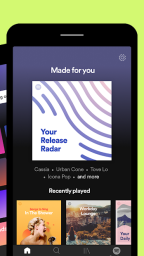
In the ever-evolving world of digital music, personalizing the listening experience has become crucial. Spotify’s recommendation engine is arguably one of its most impressive features. Every time you play a track, an intelligent algorithm analyzes your preferences and suggests similar or complementary content. This micro-level personalization has rendered the search for new music an adventure that feels both authentic and exciting.
Spotify ensures that no two listening sessions are alike. By learning your habits, it can predict and even surprise you with tracks that match your mood or moment perfectly. The extensive curation behind playlists like Discover Weekly and Release Radar sets a high benchmark for music recommendation engines across all platforms. It’s a combination of machine learning and human curation that delivers an experience which is deeply personalized and remarkably accurate.
Subscription Models and Pricing
A noteworthy part of Spotify’s success is its flexible subscription model, which caters to a variety of user needs. The basic service is free, allowing users to play music ad-supported, while premium features are available for those who wish to enjoy additional benefits like higher quality streaming, offline downloads, and a completely ad-free experience. This dual model appeals to both budget-conscious listeners and those willing to invest a bit more for enhanced performance.
The free version of Spotify gives users the ability to play music immediately, though with some limitations imposed by advertisements. However, the premium subscription unlocks a slew of features which considerably improve the playback experience by ensuring that you can download tracks and playlists for offline listening, making it especially useful in restricted work or school networks where the service might be unblocked.
It’s valuable to note that regardless of whether you are using the free tier or opting for the enhanced premium version, each plan provides high value and a consistent quality of service. The ability to transition between these options seamlessly adds to the flexibility and customer-centric nature of Spotify.
Social and Interactive Elements
The application not only serves as a music platform but also fosters a vibrant community of music enthusiasts who connect and share their favorite moments. Spotify integrates social sharing features that make it easy to spread the love for great tracks, playlists, and podcasts. This interactive capability adds an extra layer of engagement, as listeners can follow their favorite artists, see what their friends are streaming, and even contribute to shared playlists.
Social connectivity on Spotify is enhanced by its collaborative playlists, which allow multiple users to contribute their musical contributions into one unified collection. This feature often transforms music listening into a social exercise that extends beyond mere passive enjoyment. Whether you’re at a party or simply in a group study session, the collaborative features encourage shared experiences around music.
It’s also interesting to note that the app has steadily evolved its interface to accommodate interactive recommendations and real-time updates from artists, which further intensifies the communal experience. Listeners can now enjoy not just their own musical preferences but also discover what’s trending among their peers, regardless of location or the device being used.
Security, Safety, and Data Privacy
Spotify has long been on the forefront of ensuring user data is handled with utmost care. Security features, such as encrypted data processing and secure login protocols, make sure that personal information is safeguarded against unauthorized access. Data privacy remains a priority, with strict guidelines in place to ensure that user behavior and greeting preferences are only used to enhance the listening experience.
For users who remain cautious about the security aspects, Spotify provides transparent information on how data is processed and stored. The trust earned in this area is further confirmed by regular updates, which assure that vulnerabilities are patched swiftly and efficiently. Even if you decide to explore alternative methods to download the application, such as finding a reliable apk repository, the platform’s commitment to privacy effectively stands out in the crowded digital music market.
Offline Capabilities and Accessibility
In a world where internet access can be inconsistent, Spotify’s offline capabilities set it apart from many contemporaries. The facility to download interests and entire playlists means that a user’s connection needs do not always depend on real-time streaming. This is particularly beneficial for travelers or those in remote areas where connectivity may be an issue. As long as you have taken the time to install or download your favorite tracks, you will have a continuously accessible auditory companion.
The utility of these offline features becomes even more apparent in professional or academic environments where music streaming may be unblocked by specialized networks. The peace of mind that comes from being able to enjoy your personalized music library, even when connectivity is uncertain, is an invaluable part of Spotify’s overall appeal. This capability exemplifies why the platform continues to be a favorite among users who prioritize adaptability in terms of usage and available features.
Performance Across Different Devices
Spotify’s ability to offer a consistent music streaming experience across various devices has been a key factor in its sustained popularity. An important aspect of its success has been the ease with which users can install the app on numerous devices. Whether accessing the service on an iOS device, an Android phone, or even on a desktop running Windows or a Mac, the user experience remains uniformly excellent. Even on Chromebooks, Spotify continues to impress users with its effectiveness.
For those who face restrictions in their local networks, the app’s unblocked capability has been particularly advantageous. Users can download the application from official sources and simply install it without the hassle of compatibility issues. In addition, the app’s comprehensive support for multiple platforms ensures that no matter which device you are using, you will always have the ability to play music effortlessly.
The meticulous approach to supporting a wide array of platforms ensures that Spotify is not confined by device limitations or operating system constraints. Moreover, with regular updates and improvements based on user feedback, the app stays relevant in a fast-changing technological landscape. This cross-device reliability is essential to maintaining user loyalty and continues to be a decisive factor for many when choosing this platform over others.
Final Thoughts and Recommendations
After evaluating its numerous aspects, it is clear that Spotify remains a formidable contender in the streaming music domain. Its range of features, robust performance, deep personalization, and the capability to harmonize with different platforms are only a few of the reasons why the application stands out. Whether you are someone who prefers to install apps for offline use or enjoy streaming your favorite playlists live, Spotify seamlessly caters to diverse preferences.
The attention to detail—from its intuitive interface to its expansive curated content—ensures that every user, regardless of their tech expertise, can relish an uninterrupted music experience. While the free version of the service is quite impressive on its own, those who seek a more enriched auditory journey can always upgrade to a premium plan that removes ads and enhances offline accessibility.
In conclusion, if you’re looking to download or install an app that not only lets you play your favorite tunes but also provides unparalleled features, Spotify is a must-try service. Its capacity to support multiple platforms, deliver high-quality streaming, and offer engaging interactive elements makes it a favorite among both casual listeners and ardent audiophiles. The continued investment in user experience and state-of-the-art features promises that Spotify will remain at the forefront of digital audio services for years to come.
How to Download and Install Spotify
Spotify is free to download and offers both a free and premium version for an enhanced experience. Users can download the app for Android, iOS, Windows, Mac, and even Chromebook, though it is not available for some legacy operating systems. To install, simply head to the App Store, Google Play Store, or visit the official website to find the latest apk if you are an Android user. Basic system requirements include recent versions of iOS and Android and compatibility with newer device models. For those seeking an alternative source, a safe apk version is available through trusted third-party sources. Moreover, the app is accessible even in restricted environments, ensuring that you can enjoy its features unblocked at work or school.
Pros
- User-friendly interface with an intuitive, smooth design.
- An extensive content library including millions of tracks, podcasts, and exclusive content.
- Offline capabilities that allow uninterrupted listening even in restricted networks.
- Seamless cross-platform integration for use on phones, tablets, desktops, and smart speakers.
- A sophisticated recommendation engine that personalizes playlists and track suggestions.
- Flexible subscription models including both free with ads and premium ad-free options.
Cons
- The free version includes advertisements that can disrupt the listening experience.
- High data usage during streaming and downloading offline content can be a concern.
- Some advanced features and updates may not be available on older or less common devices.