
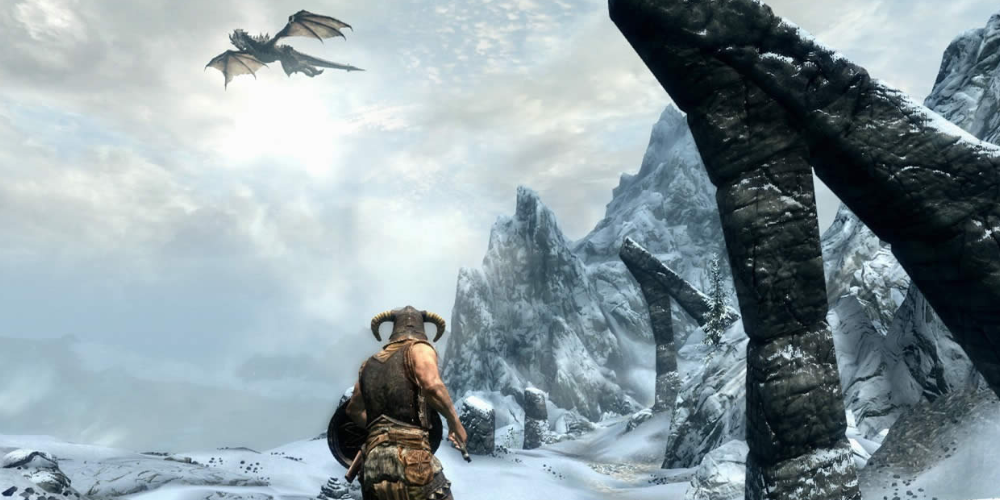
The Elder Scrolls series is a renowned franchise of action role-playing video games created by Bethesda Game Studios and published by Bethesda Softworks. Debuting in 1994 with the game "The Elder Scrolls: Arena," the series has since grown to become one of the most celebrated in the gaming world, known for its expansive open worlds, intricate lore, and immersive storytelling. Set in the continent of Tamriel on the fictional planet Nirn, each title offers a rich tapestry of history and culture, inviting players to explore various regions, from the frigid mountains of Skyrim to the lush landscapes of Cyrodiil.
Emphasis on player choice is central to The Elder Scrolls' gameplay experience; individuals can craft their own narratives through decisions, actions, and character customization. Alongside main quest lines are countless side quests and diversions, providing an almost limitless degree of freedom within each game. With titles such as "The Elder Scrolls III: Morrowind," "The Elder Scrolls IV: Oblivion," and "The Elder Scrolls V: Skyrim" setting benchmarks in RPG design, this acclaimed series continues to exert significant influence over the genre while boasting an enthusiastic and dedicated fan base eagerly anticipating new adventures within this rich fantasy universe.
Embarking on the Quest: The Elder Scrolls Arena

The journey into the mystical lands of The Elder Scrolls began in 1994 with "The Elder Scrolls: Arena." This inaugural title introduced players to a massive open-world concept unlike anything seen before. With a primary focus on exploration and freedom, it laid down the foundation for what would become a defining feature of all subsequent titles. Players could choose their race and class, which significantly influenced their experiences as they traversed through dungeons and diverse environments across the continent of Tamriel.
Daggerfall: Enlarging the Scope

In 1996, "The Elder Scrolls II: Daggerfall" upped the ante with an even more expansive world ripe for exploration. Although plagued by bugs at launch, Daggerfall's ambition was undeniable, featuring a vast map that boasted thousands of towns and a complex character system that allowed for deeper customization. Its main storyline revolved around political intrigues and ancient curses, ensuring that adventurers were engrossed in both action and narrative.
Morrowind: The Breakthrough
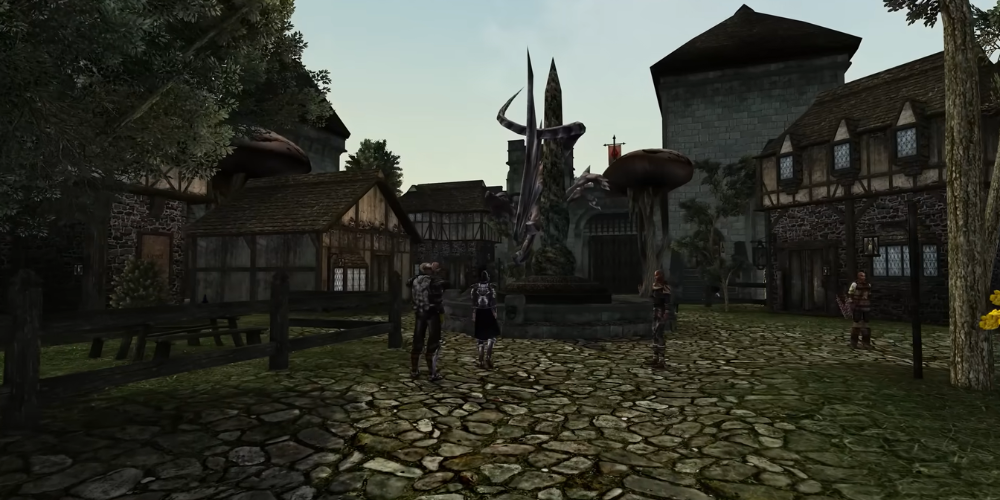
"The Elder Scrolls III: Morrowind," released in 2002, transformed the series and firmly established its cult status amongst RPG lovers. With improved graphics, an engaging storyline, fully voiced NPCs, and detailed world-building — complete with unique flora and fauna — Morrowind captured the imagination of gamers worldwide. Its success not only elevated Bethesda Game Studios' reputation but also solidified The Elder Scrolls as one of the most cherished fantasy RPG franchises in gaming history.
Oblivion: Raising Expectations
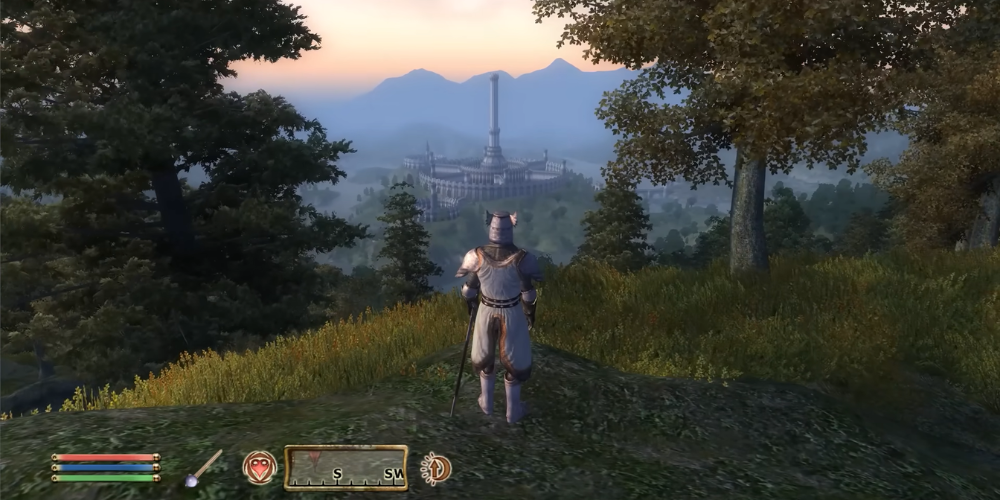
The year 2006 saw "The Elder Scrolls IV: Oblivion" take players to the heartland of Tamriel, known as Cyrodiil. Building on its predecessor's achievements, Oblivion enhanced AI interactions through the groundbreaking Radiant AI system, created a more streamlined quest experience, and offered stunning visuals for its time. It received critical acclaim for making deep role-playing elements accessible to a wider audience without surrendering complexity or depth.
Skyrim: A Cultural Phenomenon
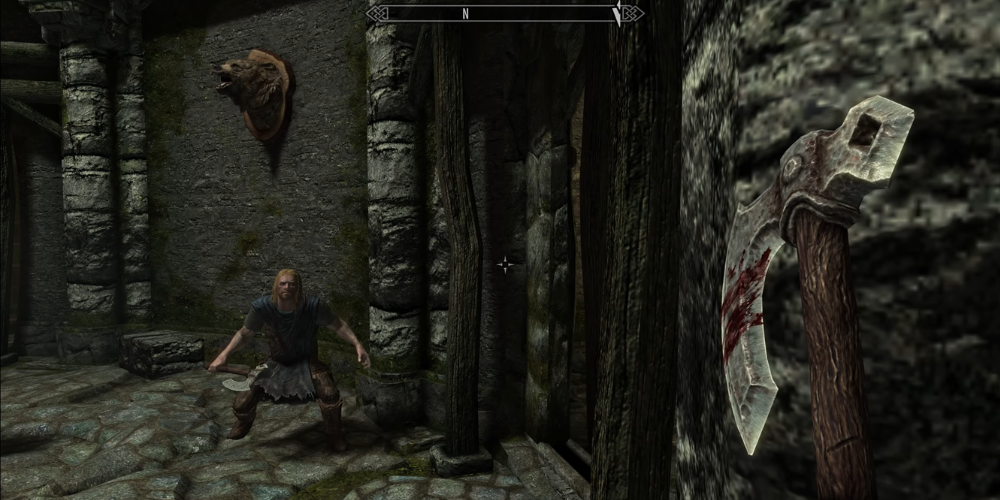
November 2011 marked another pinnacle moment with "The Elder Scrolls V: Skyrim." Basking in universal praise upon release, Skyrim simplified some gameplay mechanics but expanded others, like crafting systems, to create an inviting yet profoundly immersive experience. Its rich environment full of legends — amongst dragons returning to life — made it not just another entry in The Elder Scrolls saga but also a cultural phenomenon whose influence extended well beyond traditional gaming circles.
The Online Realm: The Elder Scrolls Online

Bethesda took a bold step into new territory with "The Elder Scrolls Online" (ESO) in 2014. Combining traditional MMORPG elements with the hallmark immersive storytelling of The Elder Scrolls universe presented both challenges and opportunities for player engagement. ESO has since evolved significantly following its launch with multiple major expansions such as "Morrowind," "Summerset," and "Greymoor," each adding rich content and bringing players back to beloved landscapes while introducing new narratives.
Reflections on an Epic Series
The evolution of The Elder Scrolls series reflects both advancements in technology and changing gamer preferences over nearly three decades. Starting from humble pixelated beginnings to creating entire worlds teeming with life online, Bethesda has continuously pushed boundaries while honoring core elements that define this iconic series — compelling stories set within an intricate world where every choice can have profound implications on your journey through Tamriel.